

The psychology of gambling Insights from Pin Up 666 on risk and reward
The Thrill of Risk in Gambling
The psychology of gambling is deeply intertwined with the thrill of risk. Players are often drawn to games by the allure of potential rewards, which can lead to exhilarating experiences. This excitement stems from the anticipation of winning, which can trigger the release of dopamine in the brain, reinforcing the behavior. For many, this creates a cycle where the desire for more significant risks fuels their participation in gambling activities. A great example of this is found at Pin Up 666, where players can experience a variety of games and betting options.

Moreover, the perception of risk varies among individuals. Some may view high-stakes betting as an opportunity for substantial gains, while others see it as a dangerous gamble. This divergence in perception impacts how players engage with different types of bets and games, highlighting the psychological complexities at play in gambling environments.
Understanding Reward Mechanisms
The concept of reward is central to the gambling experience. It is not just about monetary gains but also encompasses feelings of achievement and satisfaction. When players win, their brains react positively, reinforcing future gambling behavior. This can create a feedback loop where players continuously seek out gambling experiences to replicate the euphoric feelings associated with wins.
Additionally, the design of games often exploits this psychological reward mechanism. Features such as bonus rounds, free spins, and progressive jackpots are designed to keep players engaged by providing intermittent rewards. Understanding these mechanisms can help players make more informed decisions about their gambling habits and recognize when they may be chasing unrealistic expectations.
The Role of Superstitions and Beliefs
Superstitions and personal beliefs significantly influence gambling behavior. Many players develop rituals or habits that they believe will improve their chances of winning. This psychological aspect can lead to irrational decision-making, as individuals often rely on these beliefs rather than statistical probabilities when placing bets.
The phenomenon of “lucky charms” or specific betting strategies illustrates this point. Players may feel compelled to stick to particular numbers or methods, reinforcing their belief in control over random outcomes. Understanding these psychological tendencies can provide insight into why people continue gambling despite potential losses.
Social Influences on Gambling Behavior
Social dynamics play a critical role in gambling psychology. For many individuals, gambling is a social activity, whether it’s with friends at a casino or online in a virtual setting. The community aspect can enhance the excitement and enjoyment of gambling, as players share experiences and outcomes.
Furthermore, peer influence can encourage gambling behaviors, leading individuals to take risks they might not consider alone. The pressure to conform to group norms can amplify the desire to engage in gambling, sometimes pushing individuals toward excessive or reckless betting behaviors. Acknowledging these social influences can help players navigate their gambling choices more responsibly.
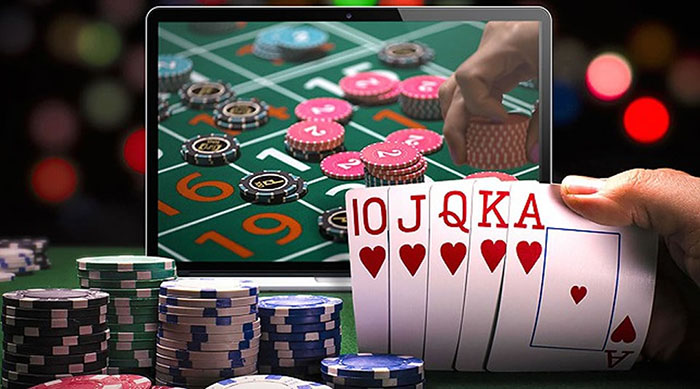
Exploring Pin Up 666’s Unique Offerings
Pin Up 666 stands out as a premier online gaming destination that combines a rich gaming experience with an understanding of player psychology. With a diverse selection of games, including sports betting and live dealer experiences, it caters to the preferences of various players while emphasizing responsible gambling practices.
Moreover, the platform offers attractive bonuses and features aimed at enhancing user engagement. By prioritizing safety and seamless experiences, Pin Up 666 ensures that players can enjoy the thrill of gambling while remaining aware of their limits. As players explore the site, they can gain valuable insights into their own gambling psychology and make more informed decisions regarding risk and reward.